Animals That Mate for Life: 12 Species That Pair Bond
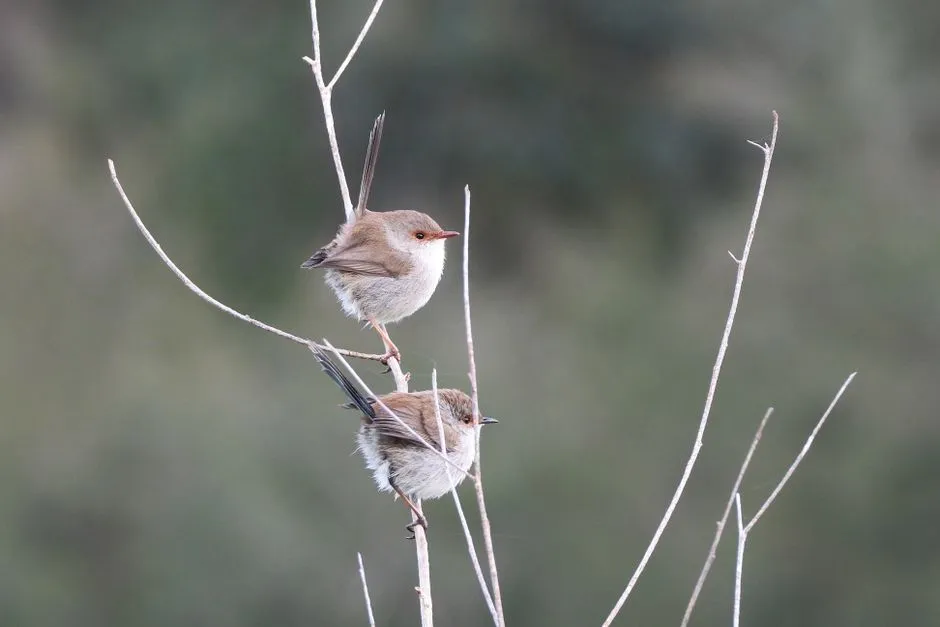
What Animals Mate for Life?
Animals that mate for life include gray wolves, beavers, gibbons, prairie voles, bald eagles, mute swans, Laysan albatrosses, sandhill cranes, black vultures, Atlantic puffins, shingleback skinks, and French angelfish. In each of these species, a male and female form a lasting pair bond — living, raising young, or breeding together season after season, often until one partner dies.
That's the short answer. The honest answer needs one more sentence: in biology, "mating for life" almost always means social monogamy — a durable partnership — rather than perfect faithfulness. Genetic studies have shown that even famously devoted species sometimes stray, and most lifelong pairs will eventually re-pair if a partner dies. The bond is real; the fairy tale is a simplification.
With that straight, here are 12 species whose pair bonds genuinely hold up to scrutiny, and what makes each one remarkable.
Social vs. genetic monogamy, in one paragraph
Social monogamy means two animals maintain an exclusive partnership: shared territory, shared parenting, shared life. Genetic monogamy means all offspring are fathered within the pair — and it's far rarer. When people ask what animals mate for life, social monogamy is the meaningful standard, and it's the one used throughout this list.
Mammals That Mate for Life
Lifelong pairing is unusual among mammals — well under one in ten mammal species is socially monogamous. That makes the ones that do pair-bond especially interesting.
1. Gray wolf
The classic answer to "do wolves mate for life" is yes, with normal wild-animal caveats. A wolf pack is built around a single breeding pair — the parents of most or all of the other pack members — and that pair typically stays together for as long as both are alive. The pair leads hunts, defends territory, and raises pups cooperatively with older offspring. If one partner dies, the survivor usually finds a new mate, and the pack carries on.
Wolves aren't the only pair-bonding canids. Coyotes form strong long-term pairs, and even red foxes are broadly monogamous during the breeding season, with a male provisioning the vixen and cubs — a big job, given everything foxes eat across a year.
2. Beaver
Beavers are among the most reliably monogamous mammals in North America and Eurasia. A colony is a family: one adult pair plus their kits and yearlings, who typically stay about two years before dispersing. The pair shares lodge-building, dam maintenance, and food caching, and bonds commonly last until one partner dies.
3. Gibbon
Gibbons — the small, long-armed apes of Southeast Asian forests — live in family groups built around a bonded adult pair, famous for their duetting songs that ring across the canopy at dawn. They were long held up as primate monogamy's poster species. Field research has complicated the picture — partner changes and outside matings do happen — but the durable pair-based family remains the gibbon norm, which is rare among primates.
4. Prairie vole
A small Midwestern rodent is the most scientifically important animal on this list. Prairie voles form intense pair bonds after mating: partners huddle together, groom each other, share a nest, and jointly raise pups. Because their close relatives (like meadow voles) don't pair-bond at all, prairie voles became the key laboratory species for studying the brain chemistry of attachment — particularly the hormones oxytocin and vasopressin. Even here, genetic monogamy is imperfect; the social bond is what endures.
Birds That Mate for Life
Birds are the true home of monogamy — the large majority of bird species pair up at least for a breeding season. But a smaller, special group maintains the same partnership year after year.
5. Bald eagle
Bald eagle pairs typically stay together for life, and their commitment is visible from the ground: the pair returns to the same nest annually, adding sticks each season until some nests grow into multi-ton structures among the largest built by any bird. Courtship includes dramatic aerial displays, including a cartwheeling dive with locked talons.
6. Mute swan
Swans are the universal symbol of devotion, and the reputation is mostly deserved. Mute swan pairs commonly stay together for many years, defending a territory and raising cygnets jointly. "Divorce" — one partner leaving for another while both are alive — has been documented, but it appears to be uncommon compared with most birds.
7. Laysan albatross
Albatrosses may be the strongest case for lifelong love in the animal kingdom. Laysan albatross pairs reunite at the same Pacific nesting colony year after year, greeting each other with elaborate mutual dances, and bonds routinely last for decades. The most famous individual, a female named Wisdom banded on Midway Atoll in 1956, is the oldest known wild bird and was still returning to breed in her seventies.
8. Sandhill crane
Sandhill cranes pair for life and renew the bond with one of nature's great courtship displays: synchronized dancing with leaps, bows, and wing sweeps, plus a duet called unison calling. Bonded pairs migrate together and return to the same breeding wetlands each spring.
9. Black vulture
Not every lifelong romantic is elegant. Black vultures maintain their pair bond year-round — not just in breeding season — and share incubation and chick-feeding duties equally. They're also notable for keeping company with each other constantly, and researchers have found their pairings to be unusually faithful for birds.
10. Atlantic puffin
Atlantic puffins spend most of the year alone at sea, then return each spring to the same colony — and usually to the same burrow and the same partner. The pair takes turns incubating a single egg and ferrying beakloads of small fish to the chick. Reuniting at a fixed address, season after season, is what keeps the bond intact.
Beyond Mammals and Birds
Pair bonding is rare outside mammals and birds, which makes these two standouts worth knowing.
11. Shingleback skink
Australia's shingleback (or "sleepy") lizard is one of the only reptiles known to form long-term monogamous bonds. Pairs separate for most of the year, then reunite with the same partner each spring breeding season. Long-running Australian field studies have tracked individual pairs re-forming for well over a decade — extraordinary for any reptile.
12. French angelfish
On Caribbean and western Atlantic reefs, French angelfish are almost always seen in twos. Pairs travel, feed, and defend territory together, and the partnership appears to be long-lasting and exclusive. When one partner is briefly separated, the two reunite with a distinctive circling behavior.
Do Penguins Mate for Life?
Mostly no — and this is the most over-romanticized claim in the animal kingdom. Penguins are better described as seasonally monogamous with variable loyalty. A pair is genuinely devoted within a breeding season, sharing incubation and chick-rearing. But between seasons, fidelity varies widely by species:
- Gentoo and Magellanic penguins show relatively high mate retention, with many pairs reuniting year after year.
- Emperor penguins, ironically the movie stars of penguin devotion, usually take a new partner each year — the brutal Antarctic timetable means whoever arrives at the colony first pairs with whoever is available.
- Adélie and other species fall somewhere in between, with reunions common but far from guaranteed.
So a penguin may keep the same mate for several years, but "mates for life" overstates it for most species. The same skepticism applies to some other famous couples: lovebirds pair strongly but are cage-bird folklore as much as field fact, and seahorses are faithful within a season but not reliably across a lifetime.
The 12 Species at a Glance
| # | Species | Group | Bond style |
|---|---|---|---|
| 1 | Gray wolf | Mammal | Breeding pair leads the pack; together until one dies |
| 2 | Beaver | Mammal | Family colony around one lifelong pair |
| 3 | Gibbon | Mammal | Pair-based family groups; duet singing |
| 4 | Prairie vole | Mammal | Intense bond after mating; shared nesting and parenting |
| 5 | Bald eagle | Bird | Same mate and same nest, enlarged every year |
| 6 | Mute swan | Bird | Multi-year bonds; divorce documented but uncommon |
| 7 | Laysan albatross | Bird | Decades-long bonds renewed with mutual dances |
| 8 | Sandhill crane | Bird | Lifelong pair; dancing and unison calling |
| 9 | Black vulture | Bird | Year-round partnership; equal co-parenting |
| 10 | Atlantic puffin | Bird | Same burrow, same partner, each spring |
| 11 | Shingleback skink | Reptile | Same partner each breeding season, sometimes 10+ years |
| 12 | French angelfish | Fish | Long-term pairs that feed and patrol together |
Why Do Some Animals Pair Bond?
Monogamy evolves when two parents together can raise dramatically more surviving young than one parent alone — or when partners are simply hard to find.
- Demanding offspring. Bird chicks that need constant feeding, wolf pups that need a hunting team, beaver kits that need a maintained lodge: where parenting is a two-adult job, pair bonds pay off.
- Scarce encounters. For animals spread thin across oceans or deserts — albatrosses, angelfish, shinglebacks — keeping a proven partner beats gambling on finding a new one.
- Long lives, repeat seasons. Long-lived animals that breed many times gain from an experienced partnership; established albatross and crane pairs tend to raise young more successfully than new ones.
The flip side explains the absences from this list. Cheetahs, for instance, pair only briefly to mate, and females raise cubs entirely alone — a solitary strategy suited to a sprinter built for the chase, not the den. Sea turtles go further still: after mating at sea, a female lays her eggs on a beach and leaves, and across a lifespan that can stretch past 50 years, no parent ever meets its offspring. Neither approach is a failure — they're simply different solutions to the same problem of getting genes into the next generation.
The Honest Takeaway
"Mates for life" is real, but it looks less like a wedding vow and more like a working partnership: two animals that stay together because cooperation keeps their offspring alive. The bonds on this list are genuine and often astonishing — decades of albatross reunions, wolf pairs leading a family through winter after winter. Just remember the two honest footnotes: most lifelong pairs will re-pair after a partner's death, and DNA testing shows perfect exclusivity is rare. Nature's version of devotion is practical — and somehow that makes it more impressive, not less.